Weight Loss MD

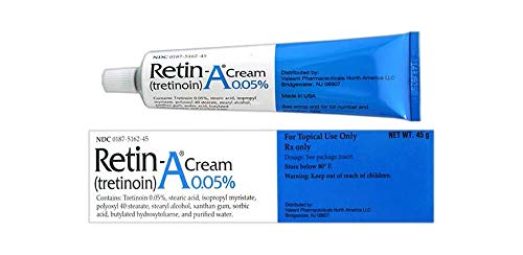
Retin-A

Skin Services

What Retin-A (Tretinoin) Is

Retin-A is tretinoin, a prescription topical retinoid derived from vitamin A. It is considered the gold standard topical therapy for:

  • Acne
  • Photoaging (wrinkles, sun damage)
  • Hyperpigmentation
  • Texture and pore refinement

Unlike cosmetic retinol, tretinoin is already active and does not require conversion by the skin.


Core Mechanisms: What Retin-A Actually Does

1. Accelerates Skin Cell Turnover

  • Increases the rate at which keratinocytes move from the basal layer to the surface
  • Prevents dead skin cells from clumping together
  • Keeps pores from becoming clogged

Result:

  • Fewer blackheads and whiteheads
  • Smoother texture
  • Brighter skin tone


2. Normalizes Keratinization (Acne Control)

Acne starts when:

  • Dead cells stick together
  • Sebum gets trapped
  • Bacteria proliferate

Tretinoin:

  • Normalizes how skin cells mature
  • Keeps follicles open
  • Reduces formation of microcomedones (the earliest acne lesion)

This is why Retin-A prevents acne rather than just treating active pimples.


3. Binds Nuclear Retinoic Acid Receptors (RARs)

Tretinoin works at the gene expression level:

Binds to RAR-α, β, and γ receptors in skin cells

  • Alters transcription of genes involved in:
  • Cell differentiation
  • Inflammation
  • Collagen production

This is why it’s considered biologically active therapy, not just exfoliation.


4. Stimulates Collagen & Dermal Repair

With long-term use, tretinoin:

  • Increases type I collagen
  • Reduces collagen breakdown by inhibiting MMPs (matrix metalloproteinases)
  • Thickens the epidermis while compacting the stratum corneum

Visible effects:

  • Softened fine lines
  • Improved elasticity
  • Thicker, healthier skin over time


5. Improves Hyperpigmentation

  • Speeds removal of melanin-loaded keratinocytes
  • Disperses pigment more evenly
  • Enhances penetration of other pigment-correcting agents

This makes it foundational in treating:

  • Melasma
  • Post-inflammatory hyperpigmentation (PIH)
  • Sun spots


Why the “Retinization” Phase Happens

During the first 2–8 weeks:

  • Redness
  • Dryness
  • Peeling
  • Burning or stinging

This happens because:

  • Cell turnover suddenly accelerates
  • Barrier function temporarily weakens
  • Inflammation increases before normalization

This phase is expected and not an allergy.

Contact Weight Loss MD in Colorado Today!

Contact us today to make an appointment with our team in Colorado and get started on your journey for optimal health.
Shopping cart0
There are no products in the cart!
Continue shopping
0
Scroll to Top
Verified by MonsterInsights